Osteoarthritis
What is Osteoarthritis?
Osteoarthritis is a degenerative disease of the joints that is characterized by the breakdown or wear-and-tear of the joint

cartilage
(the cartilage lubricates and cushions the joints) over a period of time. The
cartilage
deteriorates and loses it smoothness, and eventually, wears out completely, leaving the surfaces of the bones in friction with each other. It can involve any joint in the body, but commonly affects joints that are under constant pressure, like the neck, hips, knees, feet, hands and lower back. With osteoarthritis, the problem lies in the
cartilage
that cushions the ends of the joint's bones.
It is the most common type of arthritis and its incidence increases with age. In the US alone, about 21 million people suffer from osteoarthritis. Men are at a higher risk of developing it before the age of 45, and women are at a higher risk of developing it after the age of 45.
Causes
Although the exact cause of osteoarthritis is not known, it is thought to be the result of an imbalance of enzymes that are released from the
cartilage
. This imbalance increases the breakdown rate of the
cartilage
as compared to the regeneration rate. The simultaneous regeneration causes the growth of the new bone in place of the damaged bone, which appears as prominent lumps in the affected joint.
Although osteoarthritis is more common in older people, some young people may also develop it due to the following reasons:
- Repeated joint injury
- Obesity
- Excessive stress on the joints
- Immobility of the joints
- Joint malformation
- Genetic defect in joint cartilage
- Family history of osteoarthritis
Symptoms
- Pain in the joint that worsens during movement or after a prolonged period of inactivity
- Difficulty in moving the joint and loss of flexibility
- Stiffness and swelling of the joint
- Discomfort in the joint before or during a weather change
- Bony lumps in the finger joints
Diagnosis
Diagnosis of osteoarthritis is based on medical history, symptoms, a physical examination and a few tests of the affected joint, like:
- X-Ray of the affected joint
- Arthroscopy
- CT scan
- MRI scan
Treatment
Conventional System
There is no cure for osteoarthritis in the modern system of medicine. The drugs used in conventional therapy merely reduce pain and improve joint movement temporarily. The medicines do not completely cure the disease and are not effective in all cases of osteoarthritis. The drugs used are:
- Topical pain relievers - These include Icy Hot and Ben-Gay which temporarily relieve pain.
- Strong pain killers - acetaminophen (Tylenol) and tramadol (Ultram) which relieve pain but do not reduce inflammation. Prolonged use of these strong pain-killers can cause liver damage.
- Nonsteroidal anti-
inflammatory
drugs (NSAIDs) - These include mild over-the-counter dugs like aspirin, ibuprofen (Advil) and naproxen (Aleve) and strong drugs like ketoprofen (Orudis), diclofenac (Cataflam) and nabumetone (Relafen).
NSAIDs have severe side-effects that increase with dosage and strength. These include, ringing in the ears, gastric ulcers, cardiovascular problems, gastrointestinal bleeding and liver or kidney damage.
- COX-2 inhibitors - celecoxib (Celebrex) Side-effects may include fluid retention and high blood-pressure. This class of drugs has also been linked to an increased risk of heart-attack and stroke.
- Injections of corticosteroids and hyaluronic acid to relieve pain and wear-and-tear of the joint.
Most of the drugs mentioned above merely provide temporary relief from pain and stiffness. The last resort with modern medicine is surgical procedures, like joint replacement, arthroscopic lavage and debridement, to remove extra growths in the joints.
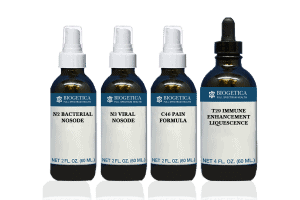
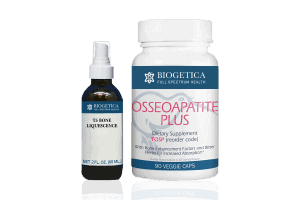
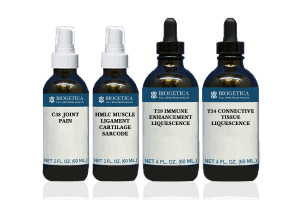
Biogetica Therapy
Biogetica therapy attempts to speed up recovery from osteoarthritis. The Biogetica therapy for osteoarthritis stimulates the nervous system into releasing natural, pain-relieving chemicals.* Its natural herbs blended with age-old Chinese, ayurvedic and homeopathic therapies increase lubrication of the affected joint and prevent further degeneration of the joints.* Biogetica kits maintain the body's delicate balance of natural degeneration and regeneration.* They are absolutely safe to use.
Tips
- Put a cold-pack or a heat-pack on the affected joint to relieve pain
- Massage the affected joint
- Wear joint supports or braces
- Avoid high impact sports, like football and basketball
- Walk with a cane or crutches to reduce stress on the joints
- Avoid excessive stress on the joints
- Avoid exposure to cold and wet climate
- Exercise and maintain mobility of the joints
- Maintain a healthy weight
Rheumatoid Arthritis
What is Rheumatoid Arthritis?
Rheumatoid arthritis (RA) is an auto-immune disorder in which the immune system attacks its own body's tissues. It is characterized by inflammation of various joints. Though RA can affect any joint, it commonly affects joints of the hands and feet. Usually, at least 2 to 3 different joints are involved on either side of the body, often in a symmetrical (mirror image) pattern. It usually starts between the ages of 25 and 55, and is 2 to 3 times more common in women. About 2.1 million people suffer from RA, in the US alone. RA in young children is known as juvenile rheumatoid arthritis (JRA). The signs and symptoms of JRA vary from child to child. It may remain silent for many years, but, it can be very persistent and cause severe joint and tissue damage.
Causes
Although the cause of RA is not known, it is thought to be an auto-immune disorder in which the body produces antibodies that cause inflammation and damage of the synovial membrane (lubricating lining) of the joint. This inflammation results in the release of proteins over a period of time, causing thickening of the lining and damage to the
cartilage
, bone, tendons and ligaments of the joint. This damage causes difficulty in moving the joint. Some studies have also associated RA with triggers like a bacterial or viral infection and genetic predisposition.
Symptoms
RA has phases of remissions with no symptoms and relapses with increased severity of symptoms. The common symptoms of RA during an acute phase include:
- Pain and swelling in the joints, especially the smaller joints of the hands and feet
- Stiffness in the joints that is worse early in the morning
- Muscular pain
- Difficulty in moving the joints
- Low-grade fever
- Malaise and fatigue
- Deformity of the joints over a period of time
In RA, over a period of time small lumps called rheumatoid nodules, develop under the skin, in the joints and in organs like the lungs and heart.
Diagnosis
Medical history, presentation of symptoms and a physical examination are usually sufficient to diagnose RA. In some cases, certain clinical tests may be required. These tests may include:
- Blood tests - for ESR (erythrocyte sedimentation rate) and Rheumatoid facto
- X-ray of the joint
Treatment
Conventional System
Treatment offered by modern medicine is only based on symptomatic relief and not on prevention. However, since RA is a chronic condition, it is very essential to work against its tendency for relapses. The drugs included in the conventional system are:
Nonsteroidal anti-
inflammatory
drugs (NSAIDs) - These include over-the-counter drugs like aspirin, ibuprofen (Advil) and naproxen (Aleve); and prescription drugs like tolmetin (Tolectin), diclofenac (Voltaren) and indomethacin (Indocin). Another type of NSAIDs are COX-2 inhibitors like celecoxib (Celebrex). These drugs aim to reduce inflammation and relieve pain.
Prolonged use of NSAIDs can cause side-effects like indigestion and stomach bleeding. They can also cause damage to the liver and kidneys, hypertension, stroke and various heart diseases.
Analgesics - These include over-the-counter drugs like acetaminophen (Tylenol) and prescription drugs like codeine and acetaminophen (Tylenol #3), indomethacin (Indocin), oxycodone and acetaminophen (Percocet) and tramadol (Ultram) which relieve pain.
Prolonged use of analgesics reduces their effect and causes damage to the kidneys and liver.
Disease-modifying anti-rheumatic drugs (DMARDs) - This group of drugs include sulfasalazine (Azulfidine), hydroxychloroquine (Plaquenil), auranofin (Ridaura), methotrexate (Rheumatrex) and minocycline (Dynacin). Other forms of DMARDs include immunosuppressants and tumor necrosis factor (TNF) blockers. These drugs reduce joint damage.
These drugs have potential side-effects like heart-failure, and make the body susceptible to recurrent infections.
Steroids - These include drugs such as prednisolone and methylprednisolone. They reduce inflammation and pain during an acute attack.
Steroids provide immediate and instantaneous relief. However, in the long run, their effect decreases drastically, and they can cause serious side-effects like diabetes, cataract, obesity and thinning of the bones.
If these medications fail to provide relief, other treatments like joint-replacement surgery and use of prosorba column (to remove the antibodies affecting the body) might be required.
Biogetica Therapy
Biogetica therapy attempts to tame the immune system, which is out of control in RA.* Its goal is to relieve the symptoms of RA during an acute phase, and prevent a flare-up or recurrence of the condition.* Further joint damage and deterioration in chronic cases may be prevented or limited.* Taking these therapeutic pearls at early stages in the development of RA slows down the progression of the disease and saves the joints and other tissues from permanent damage.* Once results are seen with regular use of Biogetica kits, one may gradually taper off conventional medications.*
Tips
- Put a cold-pack or a heat-pack on the affected joint to relieve the pain
- Massage the affected joint
- Wear joint supports or braces
- Avoid high-impact sports like football and basketball
- Exercise and maintain the mobility of the joints
- Maintain a healthy weight
- Avoid stress
Ankylosing Spondylitis
What is Ankylosing Spondylitis?
Ankylosing spondylitis (AS) is a chronic type of
inflammatory
rheumatoid arthritis that affects the spine and sacroiliac joints. It can also cause inflammation of the eyes, lungs and heart valves. AS has phases of acute attacks alternating with remission. Arthritis causes symptoms like back pain and stiffness. About 0.21 % of Americans suffer from AS. It is more commonly seen in the age group of 20 to 40, and mostly affects men.
Causes
Although the cause of AS is not known, it is thought to be associated with a genetic predisposition. Frequent gastric infections also increase the risk of developing AS.
As the inflammation progresses, new bone growths start developing on the edges of the
vertebrae
and cause fusion of the
vertebrae
. This fusion results in the characteristic bamboo spine.
Symptoms
Although, symptoms of AS vary with each individual, it usually begins with intermittent pain and stiffness of the hip or lower-back, which aggravates at night, in the morning or after inactivity. Over time, the pain and stiffness may progress up the spine and include other joints, such as the shoulders, hips, knees and feet. In advanced stages, the following signs and symptoms may develop:
- Stiff spine leading to stooping
- Restricted expansion of the chest
- Fatigue
- Loss of appetite
- Weight loss
- Inflammation of eyes and intestines
Diagnosis
Medical history, symptoms and a physical examination are usually sufficient to diagnose the condition. In some cases, certain tests like an X-ray, CT scan or MRI scan of the spine might be required.
Treatment
Conventional System
Treatment offered by modern medicine is based on symptomatic relief and not on the prevention. However, since AS is a chronic condition, it is very essential to work against its tendency for relapses. Drugs included in the conventional system are:
Nonsteroidal anti-
inflammatory
drugs (NSAIDs) - These include over-the-counter drugs like aspirin, ibuprofen (Advil) and naproxen (Aleve) and prescription drugs like tolmetin (Tolectin), diclofenac (Voltaren) and indomethacin (Indocin). Another type of NSAIDs are COX-2 inhibitors like celecoxib (Celebrex). These drugs aim to reduce inflammation and relieve pain.
Prolonged use of NSAIDs can cause side-effects like indigestion and stomach bleeding. They can also cause damage of the liver and kidneys, hypertension, stroke and various heart diseases.
Analgesics - These include over-the-counter drugs like acetaminophen (Tylenol) and prescription drugs like codeine and acetaminophen (Tylenol #3), indomethacin (Indocin), oxycodone and acetaminophen (Percocet) and tramadol (Ultram) which relieve pain.
Prolonged use of analgesics reduces their effect and causes damage to the kidneys and liver.
Disease-modifying anti-rheumatic drugs (DMARDs) - This group of drugs include sulfasalazine (Azulfidine), hydroxychloroquine (Plaquenil), auranofin (Ridaura), methotrexate (Rheumatrex) and minocycline (Dynacin). Other forms of DMARDs include immunosuppressants and tumor necrosis factor (TNF) blockers. These drugs reduce joint damage.
These drugs have potential side-effects like heart-failure, and make the body susceptible to recurrent infections.
Steroids - These include drugs such as prednisone and methylprednisolone. They reduce inflammation and pain during an acute attack.
Steroids provide immediate and instantaneous relief. However, in the long run, their effect decreases drastically and can cause serious side-effects like diabetes, cataract, obesity and thinning of the bones.
If these medications fail to provide relief, surgery may be required.
Biogetica Therapy
Biogetica therapy attempts to quickly relieve the pain and stiffness that goes with spondylitis, and prevent its recurrence.* It prevents further damage of the spine by slowing the process of inflammation, and eventually stopping it.* Ancient and time-tested Chinese, ayurvedic and homeopathic remedies have been incorporated into the spondylitis kits.
Tips
Rest until the pain subsides
Exercise after the acute attack to reduce stiffness and to strengthen the joint
Maintain a healthy body weight to reduce stress on the joints
Join a support group
Gout
What is Gout?
Gout is caused by high levels of uric acid in the blood. It is characterized by inflammation of the joints. As uric acid accumulates, it forms crystals in the joints, which cause inflammation and pain. Gout generally strikes without a warning. The first attack usually affects the big toe. This condition affects joints of knees, elbows, wrists, hands and feet. Although symptoms usually subside within a week, subsequent attacks are common.
An estimated five million people live with gout, in the US alone. Gout is more common among men. It generally begins between the ages of 40 and 50.
Causes
Certain risk factors increase the chances of developing this disorder. They are:
- Family history of Gout
- Excessive consumption of alcohol
- Excessive consumption of foods rich in purines, such as red meat, organ meat (liver, kidney), oily fish or foods with high yeast content
- Conditions like hypertension, diabetes and hyperlipidemia
- Long-term use of aspirin
Symptoms
Common symptoms include:
- Sudden and severe joint pain
- Swelling and redness around the affected joint
- Fever
Diagnosis
Medical history and a physical examination are usually sufficient to diagnose Gout. Your physician may also recommend additional tests like:
- Blood tests to measure uric acid levels
- Analysis of fluid from affected joint
- X-rays of affected joints
Treatment
Conventional System
Conventional medicine is used to try and lower uric acid levels and relieve pain in the acute phase of Gout. This does not provide any permanent relief to the patient.* The drugs used are:
Nonsteroidal anti-
inflammatory
drugs (NSAIDs) - These include over-the-counter drugs like aspirin, ibuprofen (Advil) and naproxen (Aleve) and prescription drugs like tolmetin (Tolectin), diclofenac (Voltaren) and indomethacin (Indocin). Another type of NSAIDs are COX-2 inhibitors like celecoxib (Celebrex). These drugs aim to reduce inflammation and relieve pain.
Prolonged use of NSAIDs can cause side-effects, like indigestion and stomach bleeding. They can also cause damage to the liver and kidneys, hypertension, stroke and various heart diseases.
Analgesics - These include over-the-counter drugs like acetaminophen (Tylenol) and prescription drugs like codeine and acetaminophen (Tylenol #3), indomethacin (Indocin), oxycodone and acetaminophen (Percocet) and tramadol (Ultram) to relieve pain.
Prolonged use of analgesics reduces their effect and causes damage to the kidneys and liver.
Colchicine (Colchicine) is a common anti-
inflammatory
given in gout, to relieve inflammation.
Colchicine is a toxic drug that can damage the kidneys, liver, spleen and intestines.
Steroids - These include drugs such as prednisolone and methylprednisolone. They reduce inflammation and pain during an acute attack.
Steroids provide immediate and instantaneous relief. However, in the long run, their effect decreases drastically. They may also cause serious side-effects like diabetes, cataract, obesity and thinning of bones.
Uric acid controlling drugs - These include probenecid (Benemid), sulfinpyrazone (Anturane) and allopurinol (Zyloprim). These drugs help in maintaining uric acid levels in the body.
Biogetica Therapy
Biogetica uses a blend of natural herbs to relieve the pain and stiffness associated with Gout.* The therapy employs a holistic approach to dealing with both acute and chronic cases of the condition. The products in the kits strike a dynamic balance between vital forces and the body. The medicines work on an energetic plane, and the minute doses stimulate the mind and body to maintain healthy uric acid levels.* The treatment halts the build-up of uric acid and its collection in the joints, without any side-effects.*
Tips
- Rest the affected joint until pain subsides
- Apply an ice-pack on the affected joint for 20 minutes, 4 to 8 times a day
- Exercise after the acute attack to reduce stiffness and strengthen the joint
- Drink plenty of fluids to remove excess uric acid from the body
- Avoid alcohol, especially beer, as it increases uric acid levels in the body
- Maintain a healthy body weight to reduce stress on the joints
- Avoid purine rich foods like red meat, organ meat (liver or kidney), oily fish and foods with high yeast content